Weather-Ready Finishes Built on Careful Preparation
Acrylic Coatings in Lafayette for surfaces showing fading, deterioration, or inadequate protection from prior coating systems under sustained weather exposure
What clients notice first after a properly applied acrylic coating isn't the product—it's the uniform, clean appearance of a surface that looked worn, chalked, or uneven before work began. Costello Protective Coatings produces that result through preparation work that addresses the root cause of prior coating failure rather than covering it. Acrylic coatings serve residential, commercial, agricultural, and industrial surfaces where weather exposure, UV degradation, and appearance both factor into what the coating needs to accomplish.
Acrylic coating work starts with cleaning that removes chalk, biological growth, loose existing coating, and surface contamination that would prevent a new product from bonding correctly. Depending on the substrate, a primer may be required before the acrylic topcoat to address adhesion compatibility or to seal a porous surface that would otherwise absorb the coating unevenly. Product selection accounts for the substrate material, degree of sun and moisture exposure, and whether appearance or protective function—or both—is the primary goal. In Lafayette's climate, UV stability and moisture resistance are rarely optional considerations for exterior surfaces.
Schedule a coating evaluation to review the current condition of your surface and identify the preparation and product approach that fits the project. Costello Protective Coatings is a dedicated protective coatings business proudly serving Louisiana, Arkansas, Iowa, Mississippi, Tennessee, Missouri, and Texas.
What Acrylic Coatings Actually Accomplish
Acrylic coatings function as both a protective film and a finish layer, which makes product selection a dual-criteria decision. The coating has to bond correctly to the substrate or primer below it, resist the moisture and UV exposure the surface faces, and produce an appearance consistent with the project's requirements. Application method—brush, roller, or spray—affects film uniformity and thickness, and the correct method depends on surface texture, product viscosity, and the conditions on the day of application.
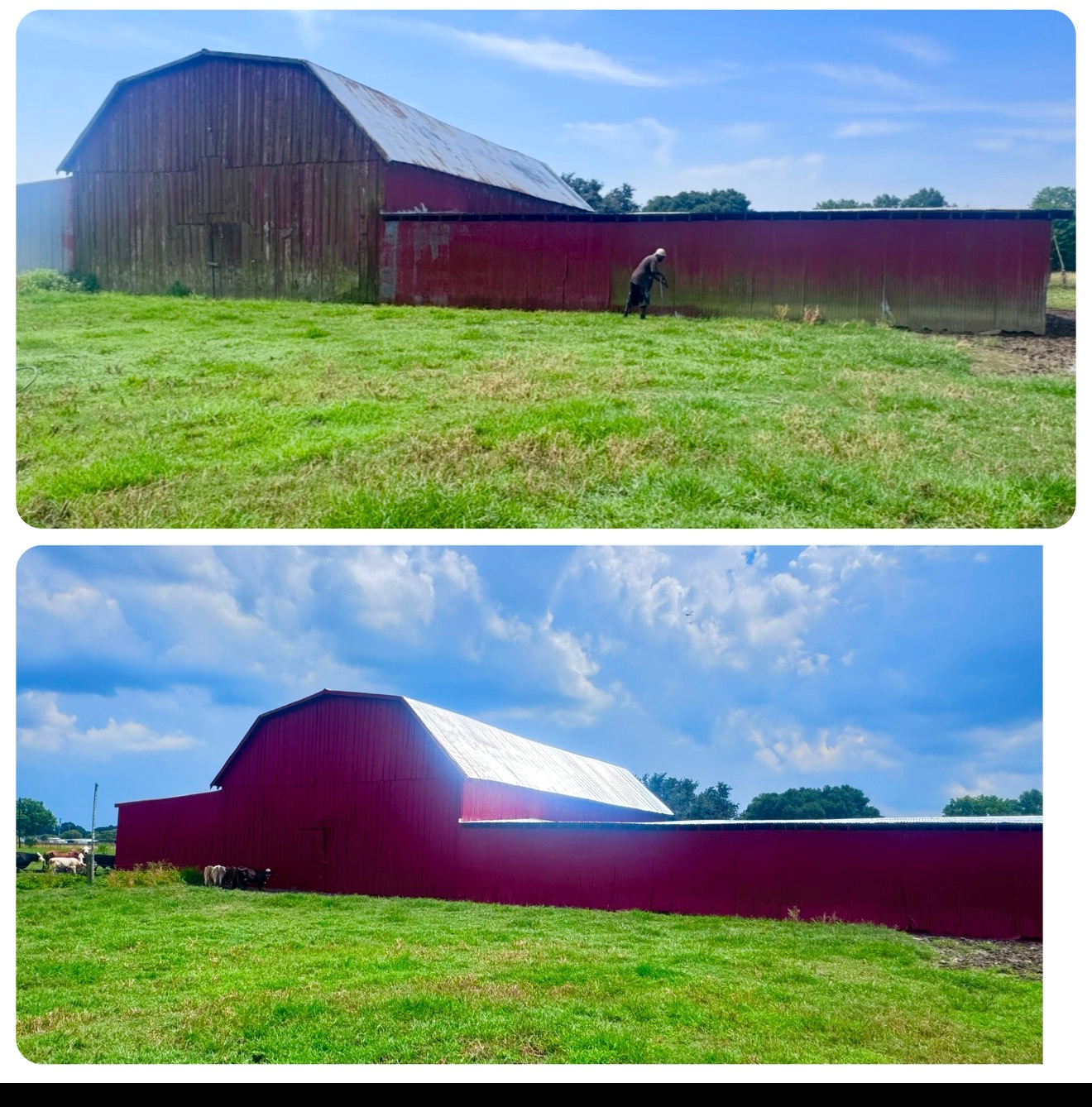
Once the coating has cured, the surface should show consistent color and sheen without lap marks, roller texture variation, or thin spots that would fade or fail ahead of the rest of the film. Surfaces that previously showed chalking, fading, or uneven weathering appear uniform and protected. Areas around edges, transitions, and penetrations—where preparation shortcuts most often show up—should have the same consistent film thickness as open field areas when the work is done correctly.
Acrylic coatings are available in a range of formulations suited to different substrates and exposure levels, and selecting the wrong product for a surface—even one that is well-prepared—can produce premature fading or adhesion failure. Costello Protective Coatings draws on more than 30 years of experience matching product selection to actual surface conditions rather than defaulting to a single product for all acrylic coating projects. Primer compatibility, surface porosity, and existing coating condition are each evaluated before product decisions are made.
What Property Owners Usually Ask
Acrylic coating projects prompt questions about preparation, product selection, and what to expect on surfaces with varied prior coating histories. These answers address the most consistent inquiries.
How is surface cleaning done before acrylic coating is applied?
Pressure washing removes loose material, chalk, and biological growth, but the pressure and technique used depends on the substrate—what's appropriate for concrete may damage wood or aged existing coatings if applied without adjustment.
When is a primer required under an acrylic coating?
Primer is typically required when the substrate is highly porous, when the existing surface has adhesion inconsistencies, or when the acrylic topcoat's chemistry requires a bonding layer to perform correctly on that specific substrate.
Why do acrylic coatings fail on some surfaces but perform well on others?
Failure most often traces back to a substrate that wasn't compatible with the product selected, or preparation that left contamination or loose material that prevented proper adhesion—not a deficiency in acrylic chemistry itself.
How does Lafayette's sun and humidity affect acrylic coating selection?
UV exposure in southern Louisiana accelerates chalking and color shift in lower-grade acrylic products, making UV-stable formulations the more appropriate choice for exterior surfaces with full sun exposure.
What's the difference between an acrylic coating and a standard exterior paint for protection purposes?
Acrylic coatings are generally formulated with higher solids content and thicker film build than standard exterior paints, which affects both coverage and how well the film resists moisture penetration over time.
Costello Protective Coatings brings more than 30 years of hands-on coating experience to every acrylic project, from surface evaluation through final application. Connect with the team directly to request a coating evaluation and review what your specific surface requires before work begins.