Coatings Built for Working Agricultural Structures
Agricultural Painting and Coatings in Lafayette for barns, equipment shelters, and farm buildings exposed to moisture, weather, and constant use
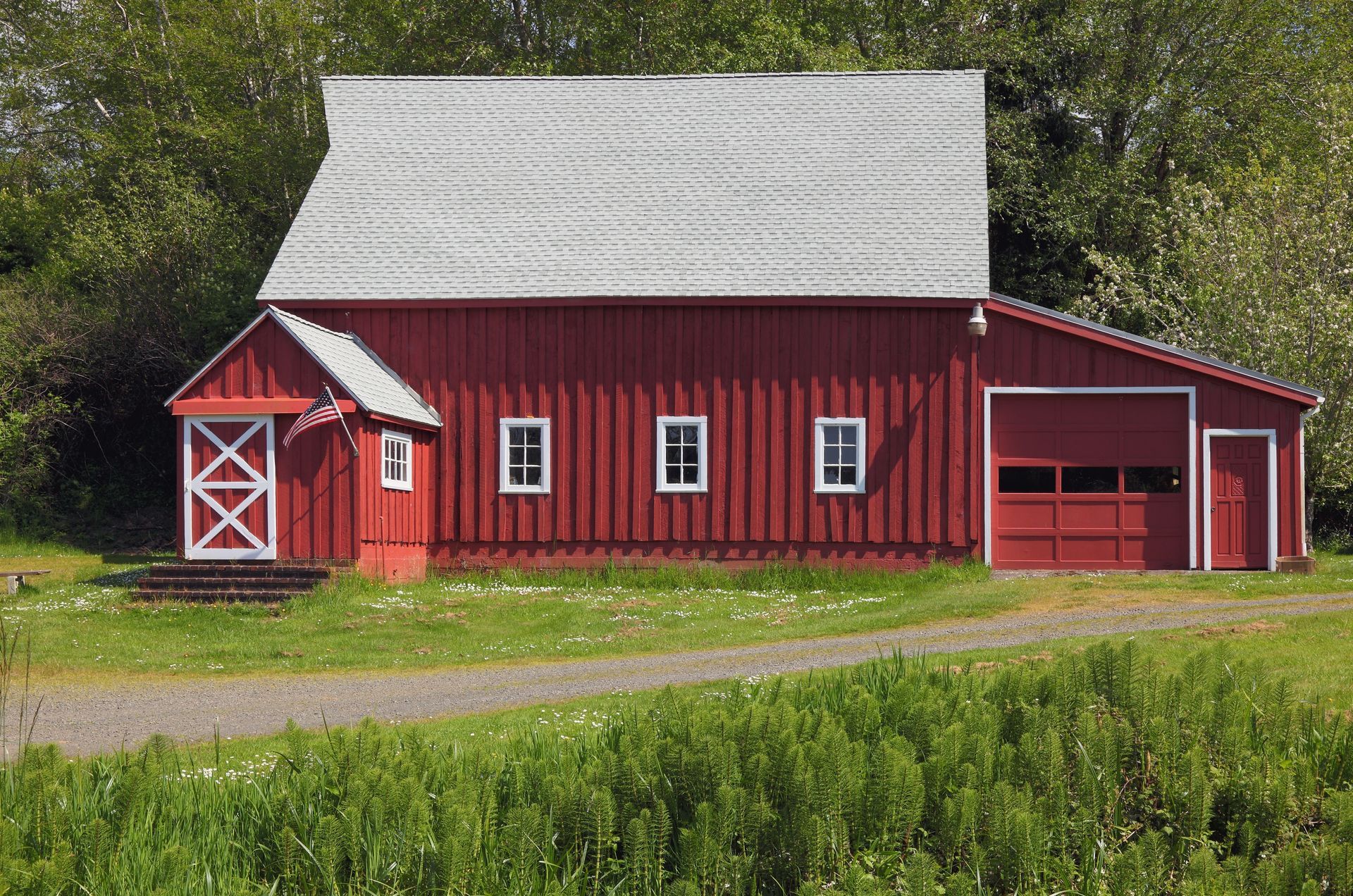
Costello Protective Coatings has worked with agricultural properties across Lafayette for more than 30 years, applying protective coatings to working farm buildings and structures that face conditions no residential surface ever encounters. Owners dealing with peeling paint on metal barn siding, oxidized roof panels, or deteriorating wood framing on equipment shelters need coatings selected for those specific exposures—not standard residential products applied without adjustment. The difference shows within a single season when the wrong system fails under humidity, UV intensity, and the physical contact that comes with daily agricultural activity.
Every agricultural coating project at Costello Protective Coatings begins with surface evaluation and preparation, because a coating applied over contaminated, rusted, or unsound substrate will fail regardless of its formulation. Cleaning removes accumulated dirt, biological growth, and oxidation layers that prevent adhesion. Once the surface is prepared, coating selection depends on the specific material—metal, wood, masonry, or composite panel—and the conditions that surface faces, including direct sun exposure, standing moisture, and the abrasive contact common near livestock areas or high-traffic corridors. Louisiana's humidity and prolonged heat season accelerate surface breakdown, which makes preparation detail more critical here than in drier climates.
Schedule an agricultural project consultation to review your structures and identify which surfaces need attention first. Costello Protective Coatings is a dedicated protective coatings business proudly serving Louisiana, Arkansas, Iowa, Mississippi, Tennessee, Missouri, and Texas.
How Agricultural Coating Work Actually Gets Done
Preparation on an agricultural building typically involves pressure washing to remove accumulated grime and biological deposits, mechanical abrasion or wire brushing to address rust or failing existing coatings, and spot treatment for areas where corrosion has progressed into the substrate. These steps take longer than the coating application itself in most cases, and skipping or shortening them is the most common reason agricultural coatings fail ahead of schedule. After cleaning and surface treatment, the coating system is selected based on confirmed surface type and the operational conditions specific to that structure.
After the coating cures, you'll notice surfaces that shed water visibly rather than absorbing it, metal that no longer shows active rust migration at seams and fasteners, and an overall appearance that communicates a well-maintained working property. Those are observable indicators that the coating has bonded correctly and is performing its protective function rather than sitting on top of an unsound surface layer.
Agricultural painting projects vary considerably based on structure size, current surface condition, and whether multiple materials are involved in a single building—a common situation in older farm construction where wood framing, metal cladding, and concrete foundations all meet in one structure. Each material accepts coatings differently and may require a distinct primer or coating product to perform correctly at those transition points.
Common Questions About Agricultural Coating Projects
Agricultural property owners typically have practical questions about preparation requirements, product selection, and how the work fits around active farming schedules.
What surfaces does agricultural painting typically cover?
Agricultural painting addresses exterior and interior surfaces of farm buildings including metal siding, wood framing, concrete block walls, and structural steel components depending on what the specific structure involves.
How does Louisiana's climate affect coating selection for farm buildings?
The combination of high humidity, extended heat, and seasonal rainfall in Lafayette accelerates surface degradation, so coating systems used here need to handle moisture vapor transmission and UV exposure simultaneously rather than just one or the other.
What preparation is required before a coating is applied?
Preparation typically includes pressure washing, mechanical abrasion where rust or old coating is present, and priming of bare metal or wood before the finish coating is applied—skipping any of these stages reduces how long the finished coating performs.
When is the right time to repaint an agricultural building?
Visible rust migration, peeling or chalking paint, water staining on interior surfaces, and exposed bare metal at seams or fasteners are the clearest indicators that a building needs coating attention.
Why do coating costs vary between agricultural projects?
Surface condition, structure size, material type, and the number of preparation steps required all affect project scope—a building with heavy rust and multiple coating failures will require more preparation hours than one being recoated on a regular maintenance cycle.
Costello Protective Coatings brings more than 30 years of direct agricultural coating work to each project evaluation in Lafayette. To discuss your farm buildings and identify what preparation and coating work is needed, call (337) 567-6072 to arrange a site visit.