Coating Galvanized Metal Without Adhesion Failure
Galvanized Metal Coatings in Lafayette for metal structures and surfaces where standard coating approaches have failed to bond or where corrosion protection needs to be extended
Galvanized metal presents a specific adhesion challenge that catches many coating projects off guard: the zinc surface layer that protects galvanized metal from corrosion is also chemically resistant to bonding with conventional coating products. Standard surface prep methods and primers developed for bare steel or previously painted metal don't transfer directly to galvanized substrates without creating adhesion problems that show up as peeling, lifting, or premature failure. Costello Protective Coatings approaches galvanized metal with preparation methods matched to zinc's surface chemistry rather than defaulting to a universal metal coating process.
Preparation for galvanized metal begins with cleaning that removes oil, chalk, white rust—the powdery zinc oxide that forms on weathered galvanized surfaces—and any contaminants from handling or environmental exposure. The degree of weathering on the galvanized surface affects what comes next: newly galvanized metal has a slick, reactive surface that requires a different adhesion approach than galvanized metal that has aged and developed a more stable surface profile. Compatible coating selection follows preparation, because the product applied over galvanized metal must be formulated to bond with zinc rather than relying on mechanical adhesion alone.
Request an estimate or project evaluation to assess your galvanized surfaces and determine the preparation and coating approach that fits the specific condition of the metal. Costello Protective Coatings is a dedicated protective coatings business proudly serving Louisiana, Arkansas, Iowa, Mississippi, Tennessee, Missouri, and Texas.
Why Preparation and Compatibility Define This Service
The reason galvanized metal coating projects fail at a higher rate than standard metal coating projects is that adhesion chemistry, not application quality, is the controlling variable. Applying an otherwise appropriate coating product to galvanized metal without addressing zinc's surface reactivity produces a film that appears to bond during application and cure, then separates from the substrate when temperature cycling, moisture, or mechanical stress tests the interface. Identifying the right product-substrate combination before application begins is where the preparation and compatibility evaluation actually earns its place in the process.
After properly prepared and coated galvanized metal has cured, you'll see a uniform coating film with no lifting at edges, no blistering at the surface, and no separation at welds, fasteners, or overlapping sections—the spots where adhesion failure most commonly originates on galvanized structures. Metal structures and equipment that previously showed coating breakdown or rust bleed-through at edges and seams should present as continuously protected. The coating film covers the zinc surface without the holidays or bare spots that create immediate corrosion pathways.
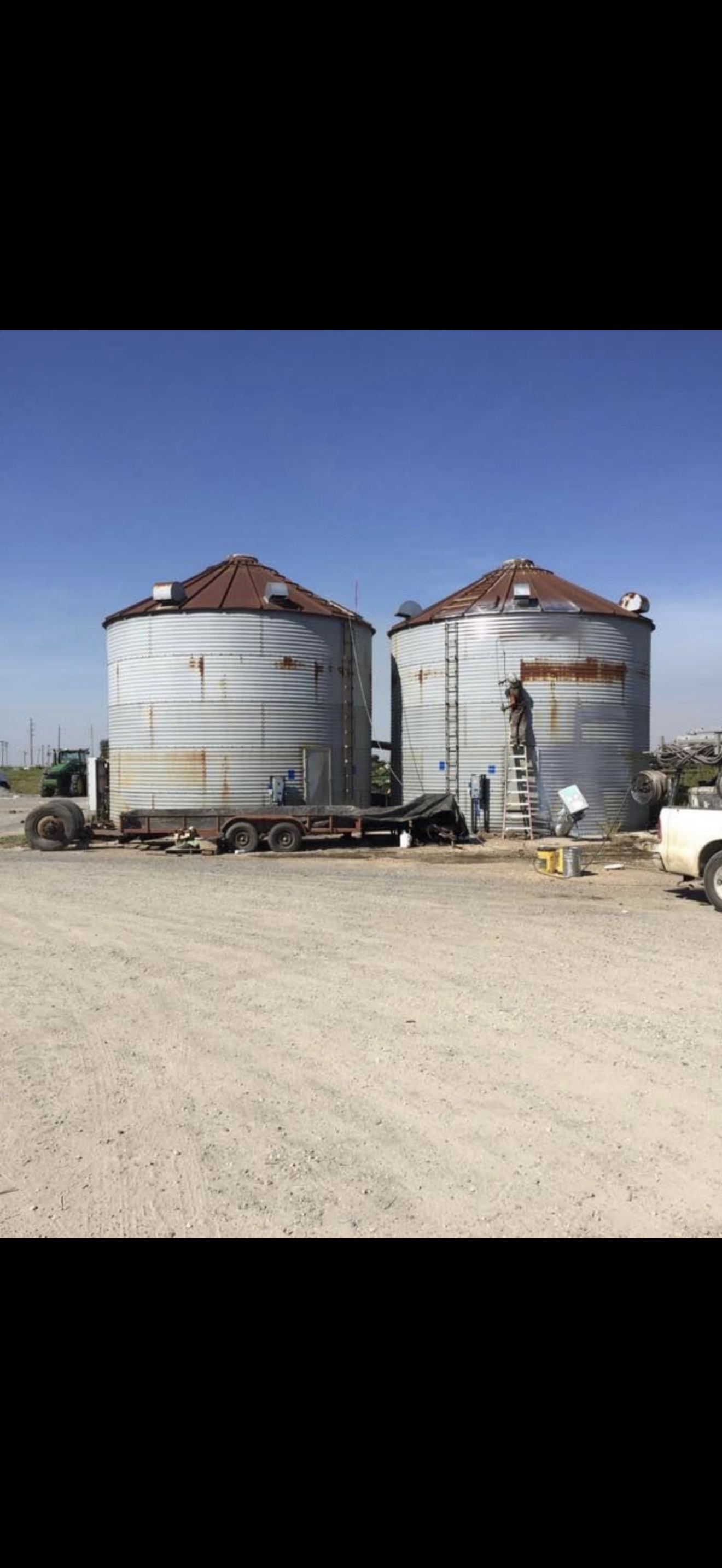
Galvanized metal appears in commercial and agricultural structures, metal buildings, fencing, and equipment where the zinc layer was applied specifically to resist corrosion—and coating that galvanized surface extends the protection beyond what the zinc alone can provide as it weathers over time in Louisiana's humid environment. The coating approach varies depending on whether the galvanized surface is new or aged, its degree of surface contamination, and what the structure is used for. Costello Protective Coatings evaluates those factors before any product recommendation is made.
Answers to Frequent Service Questions
Galvanized metal coating projects raise specific questions about why standard approaches don't apply and what preparation actually involves. These answers address what clients typically ask before work begins.
Why can't standard metal primers be applied directly to galvanized surfaces?
Many standard metal primers rely on etching or mechanical bonding to bare steel and react poorly with zinc's surface chemistry, producing a bond that degrades quickly under moisture or UV exposure.
What does white rust on galvanized metal indicate about surface condition?
White rust is oxidized zinc that forms when galvanized metal is exposed to moisture without adequate airflow—it's a loose, powdery layer that must be removed before coating because it prevents direct contact between the product and the stable zinc surface below.
How does the age of galvanized metal affect the preparation approach?
Newly galvanized metal has a smooth, reactive surface that typically requires a specific adhesion-promoting treatment, while aged galvanized metal that has developed a weathered profile may accept certain coatings with less aggressive preparation—evaluation determines which condition applies.
What types of galvanized structures does this service typically cover?
Commercial metal buildings, agricultural structures, fencing, tanks, and equipment components are common examples where galvanized metal coating extends the life of the original zinc protection.
How does Lafayette's climate affect galvanized coating performance?
Persistent humidity and heat accelerate the weathering of the zinc surface layer, making coating application a practical maintenance step for galvanized metal structures that remain in service for extended periods in southern Louisiana.
Costello Protective Coatings brings more than 30 years of experience evaluating metal substrates and selecting systems that actually bond to the surfaces they're applied to. Arrange a project evaluation to review the condition of your galvanized structures and identify the preparation and coating approach suited to your specific application.