Protective Coating That Moves With the Surface
Rubber Coatings in Lafayette for surfaces exposed to moisture, weather cycling, or conditions where rigid coating systems have failed or cracked
Surfaces that shift seasonally, expand under heat, or sit in persistent moisture contact often crack or delaminate rigid coatings faster than the product's rated lifespan. That failure pattern is exactly where rubber coatings become a relevant alternative—a flexible film that accommodates minor movement without breaking the protective layer. Costello Protective Coatings evaluates whether rubber coating is the correct system for a given surface before any product is selected, because flexibility alone doesn't make a coating appropriate for every substrate or application type.
Preparation for rubber coating follows the same principle as any protective coating system: the surface must be clean, dry, and free of contaminants that would prevent adhesion. Surface evaluation determines whether existing coatings need to be removed, whether the substrate has deterioration that needs to be addressed first, and whether the surface profile is compatible with how rubber coatings bond. In Louisiana, surfaces that have been exposed to standing water or repeated UV cycling may present adhesion challenges that require additional prep steps before application can begin.
Contact Costello Protective Coatings to arrange a project evaluation and determine whether rubber coating suits your surface type and conditions. Costello Protective Coatings is a dedicated protective coatings business proudly serving Louisiana, Arkansas, Iowa, Mississippi, Tennessee, Missouri, and Texas.
What Proper Rubber Coating Application Requires
Rubber coating application isn't a single-product decision applied uniformly to any surface that requests it. The substrate material, current surface condition, degree of weather and moisture exposure, and the type of use the surface sees all factor into whether rubber coating is appropriate and how it should be applied. Residential, commercial, and agricultural surfaces each present different conditions, and the evaluation step identifies which application method and product thickness are appropriate before work begins.
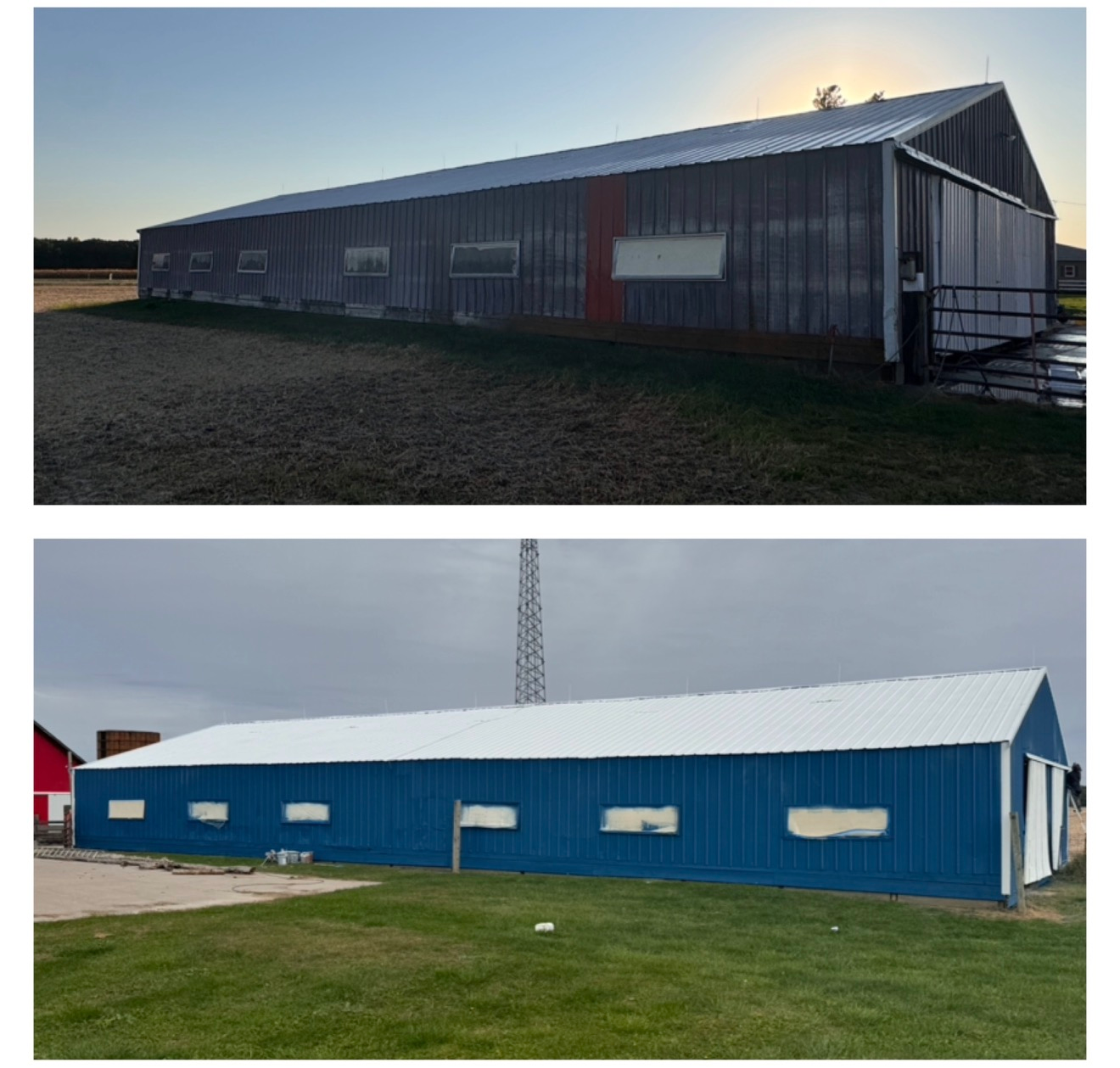
After a properly applied rubber coating cures, you'll notice that the surface has a continuous, sealed appearance without the cracks, gaps, or deteriorated edges that were previously allowing moisture entry. Areas that previously showed water intrusion, staining from pooling, or coating breakdown should present as uniform and intact. The flexibility of the cured film means it doesn't show the hairline cracking at edges and penetrations that rigid systems frequently develop after their first significant temperature swing.
Rubber coatings are not universally appropriate—certain substrates require a primer or bonding agent to ensure the coating adheres correctly rather than peeling under load or moisture pressure. The coating thickness applied also matters: too thin and the film lacks the flexibility benefit; too heavy in a single pass and curing can be uneven. These are process decisions made on-site based on actual surface conditions, not defaults applied without evaluation.
Questions Before Starting Your Project
Rubber coating projects often involve surfaces that have already experienced coating failure, which makes preparation and compatibility questions especially important. The answers below address what clients most frequently ask.
What surfaces are typically good candidates for rubber coatings?
Surfaces that experience temperature-related expansion and contraction, consistent moisture exposure, or a history of cracking with rigid coatings are often evaluated as candidates, though substrate compatibility is confirmed before any recommendation is made.
How is the surface prepared before rubber coating is applied?
Preparation involves cleaning away loose material, existing coating that isn't well-adhered, biological growth, and any oils or contaminants—the specific method depends on what the surface is made of and what's currently on it.
Why does matching the coating to the substrate matter more than product brand?
A rubber coating applied over an incompatible surface or without proper adhesion preparation will peel regardless of the product's quality rating, because bonding chemistry is specific to substrate type.
How does the Lafayette climate affect rubber coating selection and application?
High humidity and heat in southern Louisiana affect both application windows and curing behavior, so surface temperature and ambient conditions are evaluated before work begins on exterior surfaces.
What maintenance does a rubber-coated surface typically need over time?
Periodic visual inspection for any areas where the film has lifted or been mechanically damaged allows for early spot repair before moisture finds a pathway underneath the coating.
With more than 30 years of experience evaluating surfaces and selecting protective systems matched to real conditions, Costello Protective Coatings brings informed judgment to every rubber coating project. Request an estimate or project evaluation to review your specific surface and discuss whether this system fits your application.