Roof Coatings Applied Where Weather Does Real Damage
Agricultural Roof and Structure Coatings in Lafayette for metal panels, structural framing, and exposed surfaces showing rust, weathering, or coating failure
Standing water on a metal agricultural roof leaves visible rust rings at seams and around fasteners—and those marks indicate that water has already worked past the surface and is beginning to compromise the metal underneath. That pattern is common on agricultural roofs across Lafayette, where seasonal rainfall totals and sustained humidity create prolonged moisture contact rather than the brief exposure metal roofing is designed to handle. Costello Protective Coatings addresses agricultural roof and structure coating projects by starting with a full evaluation of the existing surface condition before any coating product is selected or applied.
Roof coating on an agricultural structure is not a single-step process. Cleaning removes biological growth, dirt accumulation, and surface oxidation that would prevent any coating from adhering correctly. Once the surface is clean, the material evaluation determines what the roof panel is actually made of—galvanized steel, Galvalume, painted steel, or another metal product—because each accepts different primers and coating systems. Applying a coating incompatible with the substrate chemistry is one of the most common sources of early delamination on agricultural roofs, and it produces failures that look like poor application quality even when the application was technically correct. Structure coatings involve the same evaluation logic for columns, purlins, girts, and other framing components that face ongoing moisture and UV exposure.
Request a site evaluation to assess your roof and structural surfaces before determining what coating work is appropriate.Costello Protective Coatings is a dedicated protective coatings business proudly serving Louisiana, Arkansas, Iowa, Mississippi, Tennessee, Missouri, and Texas.
What Proper Agricultural Roof Coating Requires
A correct agricultural roof coating project involves three distinct phases: surface cleaning to bare or sound substrate, priming where the metal is exposed or the existing coating has failed, and application of the finish coating in appropriate conditions. Temperature and humidity at application time matter because coatings applied outside their specified conditions—common during Louisiana summers when surface temperatures on metal roofing can exceed ambient air temperature significantly—may cure inconsistently and develop adhesion problems that appear weeks after application rather than immediately. Experienced applicators account for surface temperature, not just air temperature, when scheduling application windows.
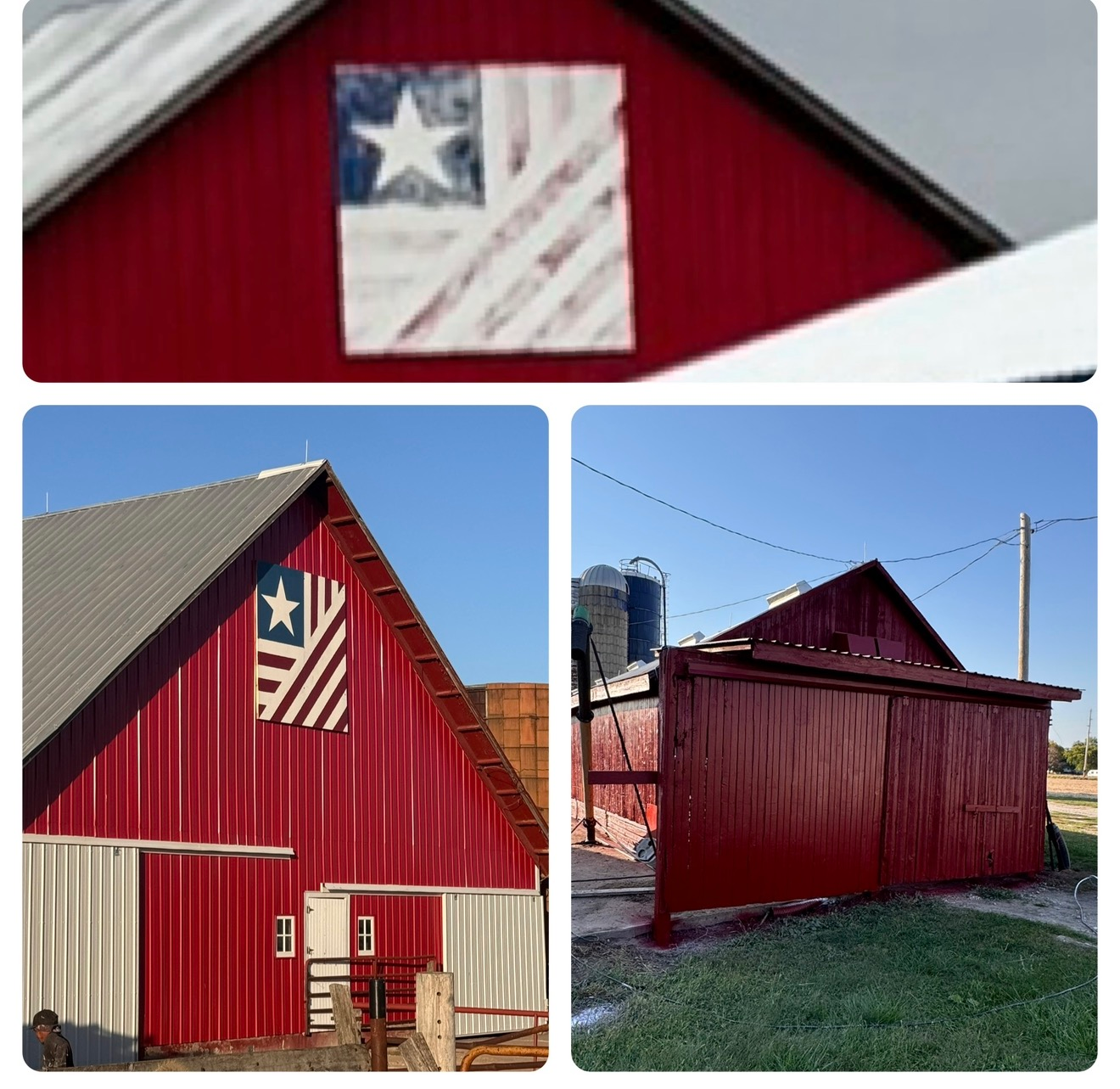
Once a correctly applied coating cures, you'll see surfaces where water beads and runs off rather than spreading and pooling at seams, fastener heads that are fully covered and no longer showing rust halos, and structural framing that no longer shows the white or orange streaking that indicates active corrosion migration. Costello Protective Coatings documents surface conditions before work begins so the starting point is clear and the scope of preparation work is understood before coating products are ordered.
Not every agricultural roof situation calls for the same approach—a roof with isolated fastener rust and sound existing coating may need only targeted spot treatment and a compatible topcoat, while a roof with widespread panel corrosion or failed existing coating over the full surface requires a complete strip-and-recoat process. Understanding which situation applies before committing to a product or scope prevents both under-treatment and unnecessary cost.
Questions Before Starting Your Roof Coating Project
Agricultural roof and structure coating projects raise specific questions about materials, preparation scope, and how work is sequenced around active operations.
How is the current roof condition evaluated before coating begins?
A site evaluation examines the existing coating for adhesion failure, checks metal panels for corrosion depth, inspects seams and fasteners, and identifies any areas where the substrate has been compromised—that information shapes the preparation scope before any coating is selected.
Why does coating compatibility with the existing roof material matter so much?
Different metal substrates and existing coating types require specific primers to bond correctly—applying the wrong primer to a galvanized surface, for example, causes rapid adhesion failure regardless of how well the application was executed.
What structural components typically need coating alongside the roof?
Purlins, girts, columns, and ridge framing are exposed to the same moisture and UV conditions as the roof surface and often show corrosion earlier because they're harder to inspect and maintain consistently.
How does Lafayette's rainfall pattern affect agricultural roof coating schedules?
Extended wet seasons in this region mean coating application windows need to account for surface drying time after rain events, especially on large-footprint agricultural buildings where sections of roof may retain moisture longer than others.
When should spot treatment be used instead of a full recoat?
Spot treatment is appropriate when the existing coating is still adhering soundly across most of the surface and only isolated areas show failure—full recoating becomes necessary when adhesion failure is widespread or when the existing coating has exceeded its functional life.
Costello Protective Coatings has evaluated and coated agricultural roofs and structures across Lafayette for more than 30 years. To schedule a site evaluation for your property and get an accurate assessment of what the work involves, call (337) 567-6072.