Metal Surfaces That Hold Up Under Pressure
Industrial Metal and Equipment Coatings in Lafayette for exposed surfaces showing corrosion, deterioration, or inadequate protection from prior applications
Costello Protective Coatings has worked with industrial metal and equipment surfaces in Lafayette for more than 30 years, developing a preparation and application process built around what metal actually needs to hold a coating long-term. Clients typically seek this service when visible rust, coating failure, or surface breakdown signals that a previous system wasn't matched correctly to the substrate or environment. The difference between a coating that lasts and one that peels within a season often comes down to what happens before a single product is applied.
Industrial metal coating work begins with cleaning that removes mill scale, rust, oil, and any residue left by previous coatings—none of which a new coating can bond through reliably. The preparation method depends on the metal's current condition, what coating it held before, and how much active corrosion is present. Compatible coating selection follows preparation, because not every product designed for metal performs equally across different substrate types, exposure levels, or operating conditions. Applying the wrong system to properly cleaned metal still produces premature failure.
Request a project evaluation to assess the current condition of your metal surfaces and determine the preparation and coating approach that fits the work. Costello Protective Coatings is a dedicated protective coatings business proudly serving Louisiana, Arkansas, Iowa, Mississippi, Tennessee, Missouri, and Texas.
How Corrosion Considerations Shape Coating Selection
Corrosion on industrial metal doesn't behave the same way across all surfaces or environments. Equipment that sits outdoors in Louisiana's humidity faces different degradation patterns than metal structures in drier or more controlled conditions, and the coating system has to account for that distinction. During evaluation, the extent and type of corrosion present determines whether surface cleaning alone is sufficient or whether additional preparation steps are required before any product is applied.
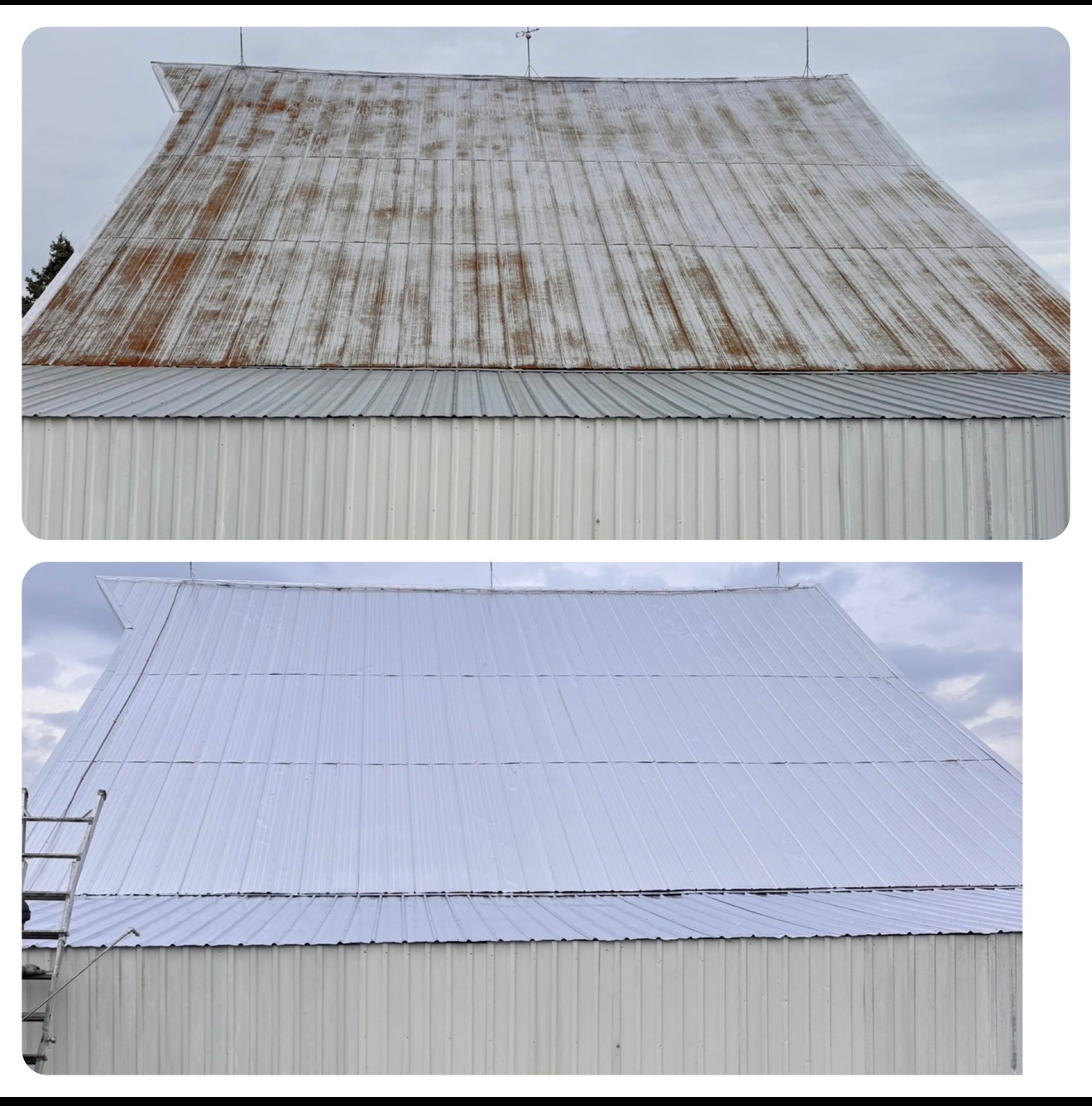
Once preparation is complete and the surface is properly profiled, you'll notice a visible difference in how the metal looks—clean, uniform, and without the flaking or pitting that compromised the previous coating's adhesion. The applied coating produces a consistent film that covers the prepared surface without voids or holidays, which are spots where incomplete coverage creates immediate re-entry points for moisture. Properly coated equipment and metal structures show no lifting, bubbling, or edge separation that would indicate bonding failure.
The coating selected will reflect the substrate type, the degree of environmental exposure the surface faces, and whether the metal is stationary or subject to mechanical movement or impact. Some situations call for a primer coat as a dedicated adhesion layer before the topcoat is applied; others use a single-product system engineered to fulfill both functions. These are not interchangeable decisions—Costello Protective Coatings evaluates each project individually rather than applying a default specification to every job.
Common Questions About This Service
Industrial metal coating projects raise specific preparation and compatibility questions. The answers below address the details most clients ask about before work begins.
What surface conditions make metal unsuitable for coating without additional preparation?
Active rust that is flaking, pitting deeply into the base metal, or undermining surrounding areas typically requires mechanical or chemical treatment beyond standard cleaning before a coating will bond reliably.
How does Louisiana's climate affect coating performance on outdoor metal?
High ambient humidity during application can interfere with adhesion and dry times, which is why surface temperature, dew point, and relative humidity are checked before work starts on outdoor equipment in Lafayette.
Why does coating compatibility with the existing system matter?
Applying an incompatible product over a previous coating can cause lifting, wrinkling, or delamination even when both products are individually appropriate for metal surfaces—compatibility between layers is its own technical consideration.
What should I look for to evaluate whether a previous coating failed due to preparation or product selection?
Coating that peels in sheets typically indicates adhesion failure from inadequate surface preparation, while coating that fades, chalks, or cracks unevenly more often points to a product that wasn't matched to the exposure conditions.
When is the right time to schedule a metal coating evaluation?
Before significant rust penetration compromises the base metal is the practical answer—surface damage that extends beyond the coating into the substrate itself requires more extensive preparation and limits coating options.
Costello Protective Coatings brings more than 30 years of direct experience evaluating metal condition, selecting compatible systems, and completing preparation correctly before any coating is applied. Arrange a surface evaluation to review the specific condition of your equipment or metal structures and determine the appropriate next step.