Roof Protection Applied Over Existing Surfaces
Commercial Roof Coatings in Lafayette for flat or low-slope roofs showing signs of weather exposure, surface degradation, or moisture vulnerability
Standing water that doesn't drain, visible surface cracking, or coating that has separated from the substrate—these are the conditions that prompt commercial property owners to evaluate roof coating as a protective measure. Costello Protective Coatings applies roof coating systems to qualifying commercial roof surfaces, approaching each project with the understanding that not every roof is a candidate and that the condition of the existing surface determines whether coating is the appropriate path forward. The service area includes Lafayette and the surrounding region, where flat and low-slope commercial roofs face persistent challenges from seasonal rainfall, UV intensity, and temperature cycling.
The process begins with a roof inspection to assess the current surface condition and identify any areas where the substrate has been compromised by moisture, mechanical damage, or adhesion failure. Cleaning and preparation follow, removing biological growth, debris, and loose material that would prevent the coating from bonding properly. Product selection is based on the roof substrate and the specific exposure conditions involved—the coating systems applied vary depending on the material being protected and the performance requirements of the installation. Costello Protective Coatings can clarify which roof materials and coating systems are handled prior to beginning any project.
Arrange a roof inspection and consultation to evaluate whether your commercial roof surface is a suitable candidate for protective coating. Costello Protective Coatings is a dedicated protective coatings business proudly serving Louisiana, Arkansas, Iowa, Mississippi, Tennessee, Missouri, and Texas.
What Proper Roof Coating Application Requires
Roof coating application is not a paint-over-problems solution—it's a preparation-intensive process where the condition of the surface at the time of application determines how well the coating performs. Surface cleaning removes contaminants that create adhesion barriers, and any areas showing active moisture intrusion or substrate separation typically require repair before coating proceeds. Experienced applicators make those determinations during inspection rather than discovering them mid-project, which affects both scheduling and the final scope of work.
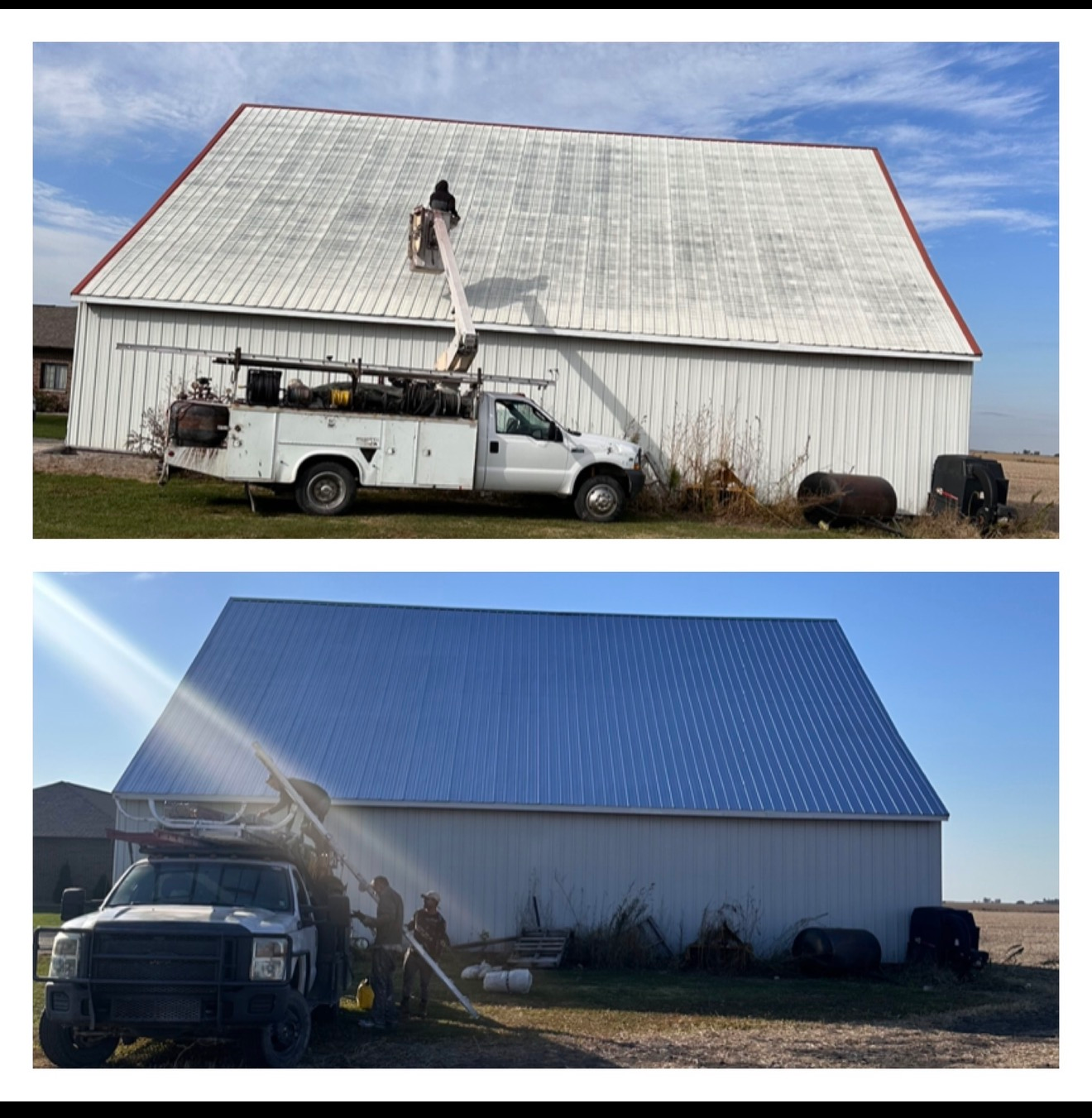
After a properly applied coating system cures, the surface presents a continuous, sealed appearance without the visible seams, ponding marks, or surface oxidation that were present before. On light-colored or reflective coating systems, the change in how the roof surface handles radiant heat is also observable—surfaces that previously absorbed heat will reflect more of it, which has downstream effects on how hard rooftop HVAC equipment works during peak summer months in Louisiana.
Roof coating is not a substitute for structural roof replacement when the underlying deck or drainage system has failed—that distinction is made during the inspection phase. What coating does address is the protective layer on a roof that is structurally sound but losing surface integrity due to weathering, oxidation, or age-related coating breakdown. The evaluation process is what determines whether the roof in question falls into that category.
What Property Owners Usually Ask
These questions address the practical decisions involved in evaluating commercial roof coating, particularly for properties with flat or low-slope roofs that see significant weather exposure over the course of a Louisiana year.
How is a roof evaluated before coating is applied?
A technician inspects the surface for moisture damage, adhesion failure, substrate condition, and drainage performance—those findings determine whether coating is appropriate and what preparation will be required.
What roof materials can receive protective coatings?
Coating compatibility depends on the existing surface material, and not all substrates are suitable candidates; the applicable systems handled by Costello Protective Coatings are confirmed during the pre-project consultation.
Why does roof surface preparation take as long as it does on commercial properties?
Large flat roof surfaces accumulate biological growth, UV-degraded coating residue, and debris that must be fully removed before any new coating bonds correctly—rushing this phase directly shortens how long the applied system holds.
When should a commercial building in Lafayette schedule a roof coating inspection?
Properties that have not had a roof surface evaluation in several years, or that show interior water staining following heavy rain, are the clearest candidates for a professional inspection before the next storm season begins.
What is the difference between roof coating and roof replacement?
Coating extends the protective performance of a roof that remains structurally intact but has lost surface integrity—replacement is necessary when the deck, drainage, or structural components have failed beyond what surface treatment can address.
Costello Protective Coatings has worked with commercial properties in this region for more than 30 years, and that history means the inspection process is grounded in what Louisiana roofs actually face across seasons. Call (337) 567-6072 to schedule a roof evaluation and discuss whether coating is the right approach for your property.