Asphalt Surfaces Sealed Against Weathering and Wear
Driveway and Asphalt Coatings in Lafayette for asphalt surfaces showing oxidation, surface cracking, or color loss from UV exposure
Uncoated asphalt loses its binder oils through UV oxidation over time, which is visible as surface graying, a dry or brittle texture, and the early development of hairline cracks along traffic paths and edges. In Lafayette, where summer heat intensifies UV exposure and rainfall cycles stress already-oxidized surfaces, asphalt that isn't periodically sealed reaches that deteriorated state faster than in more temperate climates. Driveway and asphalt coatings applied at the right stage in that degradation cycle help protect the surface material from continued weather exposure and extend the functional condition of the pavement.
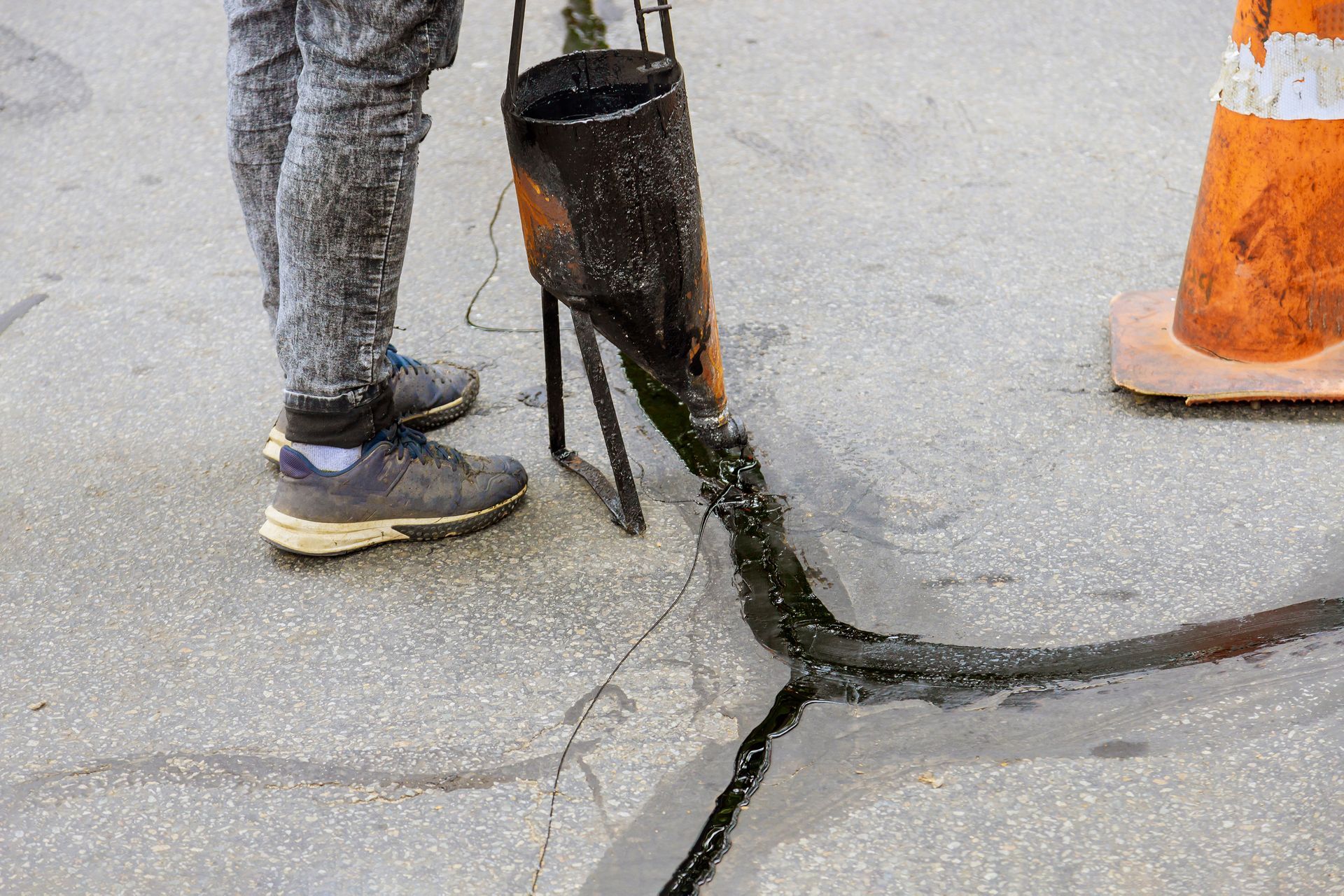
The coating process begins with a thorough cleaning of the asphalt surface to remove dirt, oil stains, vegetation growth from cracks, and any material that would prevent the sealer from bonding to the asphalt below it. Surface condition is evaluated before coating is confirmed—cracks or deteriorated areas that exceed what surface sealing can address need to be considered separately, since applying a coating over structurally compromised asphalt doesn't restore the underlying pavement. Where surface cracks fall within the range appropriate for treatment, crack preparation is addressed before the sealing system is applied. The coating itself is selected and applied based on the specific surface condition confirmed during the evaluation.
Arrange a driveway evaluation to review your asphalt's current condition and determine whether the surface is a suitable candidate for coating. Costello Protective Coatings is a dedicated protective coatings business proudly serving Louisiana, Arkansas, Iowa, Mississippi, Tennessee, Missouri, and Texas.
What Driveway Coating Actually Accomplishes
Asphalt sealing works by placing a protective layer over the oxidized surface that slows further UV penetration and reduces moisture infiltration through surface voids and minor cracking. The cleaning phase is not incidental—oil contamination on driveway surfaces is one of the most common causes of sealer failure, because petroleum-based sealers do not bond reliably to oil-saturated asphalt without degreasing and surface treatment first. Skipping or rushing that step produces a coating that looks applied but lifts or wears unevenly within the first season.
After the coating is applied and cured, the visible change is an immediate return of surface uniformity and a darker, more consistent color across the entire driveway. Oxidized gray patches and surface texture variations that were visible before are covered by the uniform coating layer. The surface also becomes easier to clean because the sealed texture presents fewer voids for dirt and debris to settle into. What the coating does not do is structurally repair asphalt that has begun to fail from the base—coatings address surface-level degradation, not subsurface issues.
Costello Protective Coatings evaluates each driveway individually before confirming that coating is the appropriate service for that surface, because not every asphalt condition is a coating candidate. The approach, product selection, and number of coats applied are all determined by the surface review rather than applied uniformly regardless of condition. Homeowners should also understand that driveway coatings require a curing period before vehicle traffic can resume, which the project plan accounts for in advance.
Answers to Frequent Driveway Coating Questions
Homeowners often have questions about what the coating process involves and what conditions affect whether sealing is the right approach for their driveway. The following addresses the points that come up most consistently.
How do I know if my driveway is a good candidate for coating rather than repair or replacement?
Surfaces that are oxidized, lightly cracked, or faded but structurally stable at the base are typically candidates for coating—driveways with significant alligator cracking, large voids, or base failure are generally not restored by surface sealing alone.
What cleaning is done before the coating is applied?
The preparation process includes pressure washing, degreasing oil-stained areas with appropriate cleaners, and removing vegetation from cracks—each of these steps directly affects whether the sealer bonds correctly to the asphalt surface.
Why does Lafayette's heat and rainfall affect asphalt more than in drier climates?
Intense UV exposure in this region accelerates the oxidation of asphalt's petroleum binder, and the repeated wet-dry cycles from frequent rainfall expand existing micro-cracks—both processes move faster here than in climates with lower heat and UV intensity.
What happens to cracks in the asphalt before the coating is applied?
Cracks that fall within the range appropriate for surface treatment are addressed during preparation before the sealing coat goes down—the specific method depends on the crack width and depth confirmed during the surface evaluation.
How long does the surface need to cure before driving on it?
Cure time depends on the product applied, the ambient temperature, and humidity at the time of application—your project plan will include a specific guidance period based on those conditions at the time of the work.
Costello Protective Coatings begins every driveway project with a surface assessment rather than an assumed scope—call (337) 567-6072 to request an evaluation and discuss your driveway's specific condition and coating options.