Driveways Sealed Against Surface Wear and Weather
Asphalt and Driveway Protection in Lafayette for residential and commercial asphalt showing cracking, oxidation, or surface breakdown from weather exposure and routine use
Asphalt begins deteriorating from the moment it's installed—UV exposure breaks down the binder that holds aggregate together, water penetrates through surface cracks and weakens the base below, and traffic load accelerates both processes. The visible signs of this breakdown are cracking, surface raveling where aggregate loosens, and the gray, oxidized appearance of asphalt that has lost its binder. Costello Protective Coatings applies sealing and protective coating systems to residential and commercial driveways to slow that breakdown, and the preparation work completed before any product is applied determines how effectively the coating performs.
Asphalt protection work starts with a surface condition evaluation that identifies whether existing cracking is superficial or structurally significant, what the current binder condition indicates about the asphalt's age and porosity, and whether any base-related issues need to be addressed before sealing would be useful. Cleaning follows evaluation—vegetation, oil staining, loose aggregate, and existing coating residue all need to be removed because a sealer can't bridge over contaminated or unstable material. In Lafayette, the combination of summer heat and heavy rain cycles can accelerate oxidation and erosion of asphalt surfaces faster than in drier climates, making surface condition assessment more nuanced than a visual inspection alone.
Request an estimate to review the current condition of your driveway or asphalt surface and identify which protection approach suits the existing asphalt. Costello Protective Coatings is a dedicated protective coatings business proudly serving Louisiana, Arkansas, Iowa, Mississippi, Tennessee, Missouri, and Texas.
What You Notice Once Sealing Is Finished
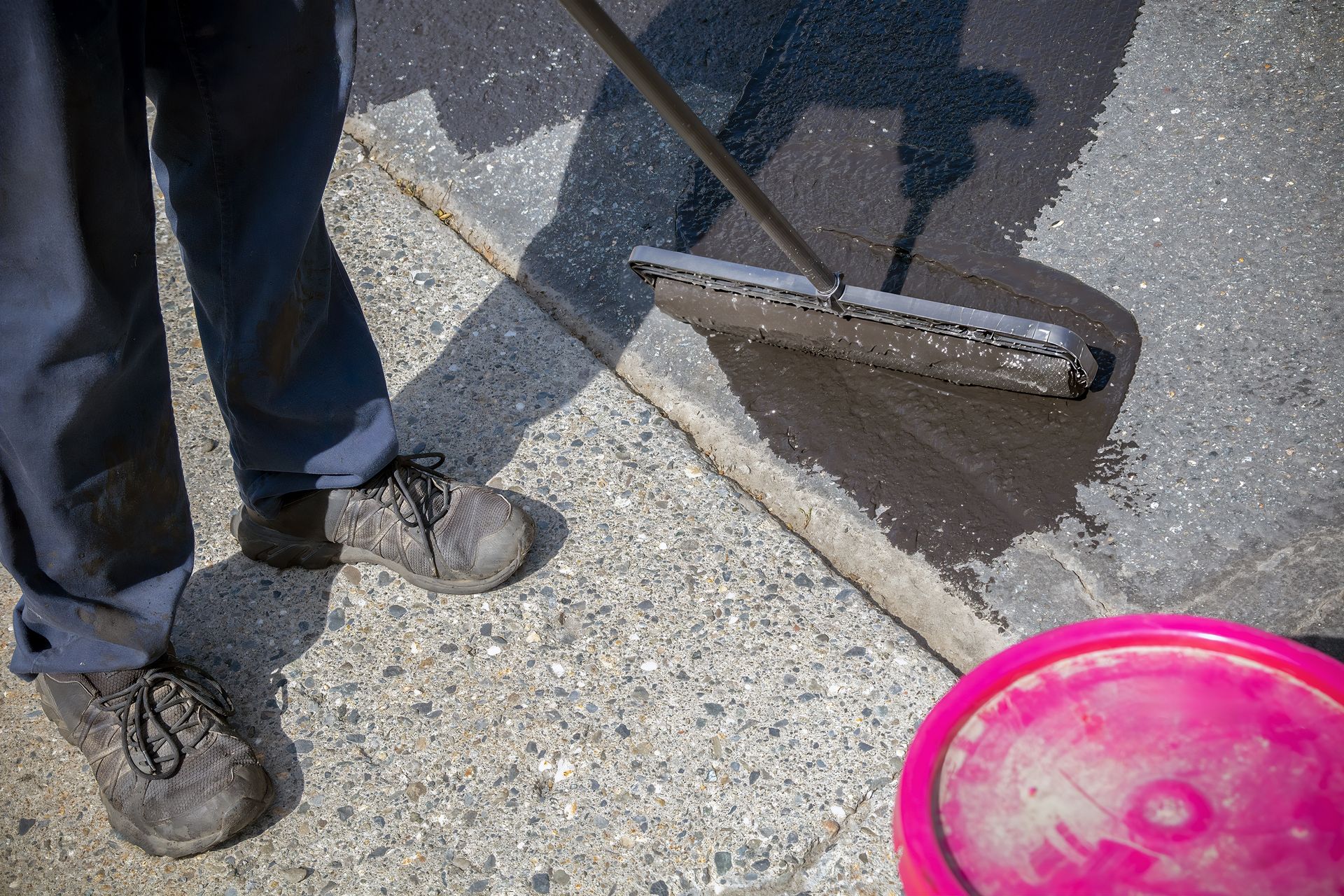
Sealing and protective coating for asphalt involves applying a system that fills surface porosity, slows UV degradation of the binder, and creates a barrier that reduces water infiltration into the asphalt structure below. The product selection depends on the porosity and age of the existing asphalt, the volume and type of traffic the surface sees, and whether the primary concern is appearance, structural protection, or both. A sealer appropriate for a low-traffic residential driveway may not provide adequate film build for a commercial parking apron with consistent vehicle load.
After the sealing coat cures, the surface transitions from the gray, oxidized appearance of weathered asphalt to a darker, more uniform color that reflects the restored surface rather than degraded binder. Areas that previously showed surface raveling or open porosity appear filled and consistent. Water that previously sheeted unevenly or pooled in oxidized low spots moves more predictably across a sealed surface because the film reduces the micro-texture irregularities that trap and hold standing water.
Asphalt protection does not reverse structural damage already present in the base or sub-base, and Costello Protective Coatings evaluates surface condition specifically to identify what sealing can address versus what requires repair before coating would be effective. Cracks that indicate base movement or settling typically need to be stabilized before sealing—applying a coating over active structural cracking produces a cosmetic result that fails quickly as the crack continues to move. Preparation honesty is part of what 30-plus years of experience in this work produces: knowing when sealing is the right step and when the surface needs additional work first.
Common Questions About This Service
Asphalt protection projects prompt questions about timing, surface condition, and what the service realistically accomplishes. The answers below address what residential and commercial clients ask most often.
How is asphalt cleaned before sealing is applied?
Cleaning typically involves removing vegetation from cracks, degreasing oil-stained areas with appropriate cleaners, and blowing or washing loose debris from the surface—oil contamination in particular must be treated before sealing because petroleum-based stains prevent adhesion.
What surface conditions make asphalt unsuitable for sealing without additional preparation?
Asphalt with active structural cracking, significant base failures, or severe surface raveling that has exposed aggregate broadly typically needs repair work before a sealing coat would produce a durable result.
Why does the age and porosity of existing asphalt affect product selection?
Highly porous or aged asphalt absorbs sealing products faster, which can result in uneven coverage or require additional product volume—surface evaluation identifies porosity level so the application rate can be adjusted accordingly.
How does Lafayette's climate affect how often asphalt should be evaluated for resealing?
The combination of UV intensity and frequent rain cycles in southern Louisiana accelerates asphalt oxidation compared to cooler or drier regions, meaning surface condition should be evaluated more regularly than standard maintenance schedules developed for different climates suggest.
What is the difference between crack filling and sealing, and which comes first?
Crack filling addresses open cracks in the asphalt surface to reduce water infiltration through specific voids; sealing is applied over the full surface after cracks are addressed—sealing before crack filling leaves water pathways intact beneath the new film.
Costello Protective Coatings evaluates asphalt condition carefully before recommending any sealing or coating approach, drawing on more than 30 years of experience with surface preparation and protective systems. Request an estimate to discuss your driveway or commercial asphalt surface and determine the right starting point for your project.