Detail Work That Redefines Interior Finished Surfaces
Cabinet and Trim Painting in Lafayette for cabinetry and millwork showing wear, discoloration, or outdated finish
Worn cabinet finishes show up in specific, observable ways—paint that has yellowed at the edges, finish that has chipped along door faces where hardware contacts the surface, or a dated stain that no longer matches the rest of the room. Cabinet and trim painting is a precision process that addresses these conditions without requiring full replacement of the underlying woodwork. Costello Protective Coatings handles this category of residential work in Lafayette, approaching kitchens, bathrooms, built-ins, doors, baseboards, and other painted millwork as surfaces that require fundamentally different preparation and product choices than standard wall painting.
The preparation phase for cabinets and trim is more involved than most clients anticipate before the project starts. Hardware and doors are typically removed to allow proper access to all faces and edges, surfaces are cleaned to remove grease, residue, and contaminants that would cause adhesion failures, and sanding or other confirmed methods are used to create a mechanical profile for the coating to grip. Masking is applied carefully to protect adjacent surfaces, countertops, and hardware during the process. The coating selected depends on the surface material and the level of durability the finished product needs to deliver in a high-contact environment—kitchen cabinets, for instance, are subjected to repeated cleaning and handling that walls never experience.
Schedule a project consultation to walk through your cabinetry and trim condition and discuss the preparation and coating process in detail.
What Proper Cabinet and Trim Painting Requires
The difference between a cabinet paint job that holds and one that begins peeling within months typically comes down to what happened before any coating was applied. Surfaces that are cleaned but not properly abraded, or primed with a product not suited to a low-porosity finish, often show early adhesion failures at corners and edges—exactly the areas most exposed to contact and wear. Selecting a topcoat formulated for cabinet surfaces rather than defaulting to interior wall paint also matters significantly, since cabinetry finishes need to withstand moisture, cleaning agents, and repeated physical contact.
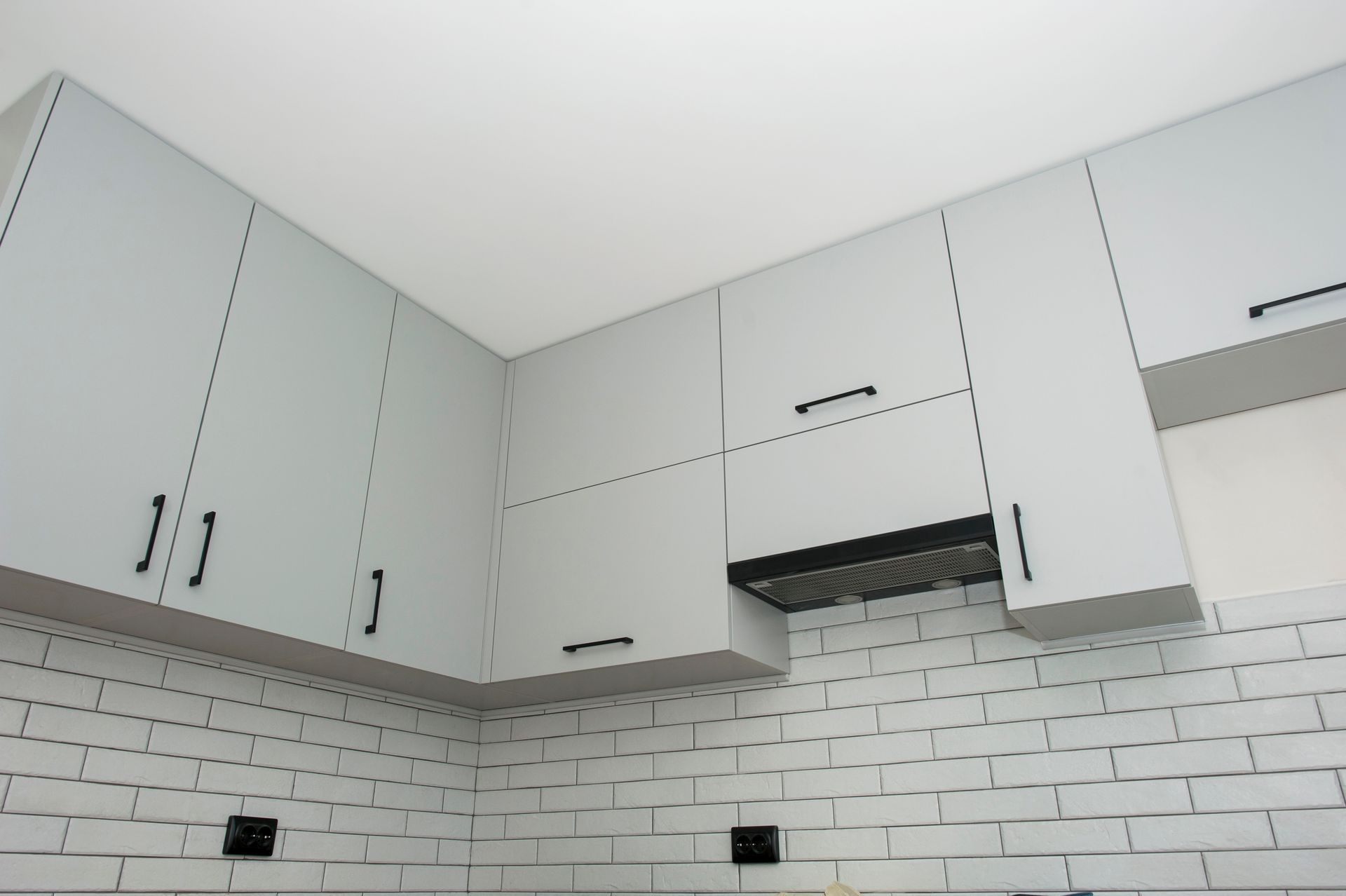
Once the project is complete, the visual result of a correctly executed cabinet and trim painting job is a smooth, consistent finish without brush marks, visible brush overlap lines, or uneven sheen. Doors that previously showed worn, dull edges will carry a uniform finish across all faces. Baseboards and door trim that had yellowed or showed surface scuffs will present a clean, defined line that changes how the entire room reads visually—a result that full interior repaints sometimes don't achieve because the trim condition was the primary visual problem.
Costello Protective Coatings keeps cabinet and trim work separate from general wall painting in terms of process and product selection because these surfaces have different adhesion requirements and durability expectations. The scope of a project—whether it includes doors only, full cabinetry, baseboards, or all millwork throughout the home—is confirmed before work begins so nothing is assumed or overlooked in the preparation phase.
What Homeowners Usually Ask About Cabinet Painting
Cabinet and trim painting generates specific questions about preparation, durability, and what distinguishes the process from standard interior painting. The answers below address what homeowners in Lafayette most commonly want to understand before starting a project.
How is cabinet painting different from painting interior walls?
Cabinet surfaces are lower-porosity, higher-contact, and more exposed to moisture and cleaning products than walls, which means they require more aggressive surface preparation, different primer formulations, and topcoats rated for that level of durability.
What preparation steps are involved before painting begins on cabinets?
Preparation typically involves degreasing all surfaces, removing doors and hardware for separate treatment, sanding or abrading the existing finish to create adhesion, and applying a primer suited to the specific substrate before any topcoat is applied.
Why do painted cabinets sometimes peel or chip within a short time after painting?
Peeling almost always traces back to inadequate surface cleaning or the use of coating products not designed for cabinetry—grease or silicone residue left on the surface prevents the primer from bonding, and the failure follows within months of the project completion.
What types of surfaces does cabinet and trim painting cover beyond kitchen cabinets?
The work can extend to bathroom vanities, built-in shelving and bookcases, interior doors, baseboards, door casing, and other painted millwork, depending on the project scope confirmed during the consultation.
When is the right time to paint cabinets rather than replace them?
Painting is typically appropriate when the cabinet boxes and door construction are structurally sound—if the underlying material is delaminating or the doors are warped significantly, no paint application will resolve those structural conditions.
Costello Protective Coatings reviews the current condition of your cabinetry and trim before outlining a preparation and coating plan—call (337) 567-6072 to arrange an in-home consultation and discuss your specific project.